Carpet care guide
How carpet gets dirty, what cleaning can and cannot change, and how to look after it between visits.
What does carpet cleaning actually change?
Carpet cleaning is meant to remove soil, residue and many spots from the fibers. Over months of use, carpet collects fine grit, body oils, cooking residue and whatever comes in on shoes and paws. Much of that settles deep in the pile, below what a household vacuum reaches, and it gradually makes carpet look dull, gray or darker in the places people walk most.
Cleaning does not change the carpet itself. Fibers that have been crushed flat in a hallway, frayed at a doorway or faded by years of sunlight are signs of wear, and wear stays after the soil is gone. Burns, bleach marks, color loss, loose seams and ripples are physical damage rather than dirt. Separating the two before an appointment sets a fair expectation of how clean carpet will look in your home.
Why do walkways and doorways look worse than the rest of the room?
Soil is not spread evenly. The paths between the front door, the kitchen, the sofa and the hallway carry most of the foot traffic, so they collect most of the grit. Dry soil is abrasive. Each step grinds it against the fibers, which can scratch and dull their surface and leave a traffic lane looking darker even after it has been vacuumed.
The Carpet and Rug Institute's care guidance puts routine vacuuming at the center of carpet maintenance and recommends mats at entrances, so less soil reaches the carpet in the first place. In practice, that often means vacuuming the busiest areas more often than rooms that see little use. Both habits slow down the wear that soil causes between professional cleanings.
Sources: Carpet and Rug Institute: cleaning and maintenance
What should I do when something spills?
Act quickly, and blot rather than rub. Pressing a clean white cloth or paper towel into a fresh spill lifts liquid out of the pile, while scrubbing can spread it, push it deeper and rough up the fiber tips so the area looks fuzzy afterward. Work from the outside edge toward the center so the spot does not grow.
Be careful with store-bought spot removers and household mixtures. Some leave a sticky residue that attracts new soil, and others can lighten or change the color of carpet dye. Check your carpet manufacturer's care information for products that suit your carpet, and test anything new in a hidden area, such as inside a closet, first. If you have already treated a spot, note what you used, because that is useful to whoever cleans the carpet next.
Some marks are more stubborn than others. Older stains that have set, dyes from drinks and spots treated with the wrong product can be difficult or impossible to remove fully, and a spot that seems gone can sometimes reappear as the carpet dries if material remains deeper down. We do not promise that every stain will come out, so ask about a particular spot before booking if it matters to you.
Does the type of carpet make a difference?
It can. Home carpet is made from several fibers, and each behaves a little differently. Nylon is common and resilient. Polyester often feels soft and holds color well but can mat down in heavy traffic. Olefin, also called polypropylene, resists many water-based stains but tends to attract oily soil. Wool is a natural fiber that needs gentler handling and products suited to it.
Construction matters too. Cut pile has upright fiber ends, while loop pile, including many Berber styles, has fibers that run in continuous loops that can snag or fuzz if handled roughly. If you still have the paperwork from installation, look for the fiber type and any care or warranty instructions. Some carpet warranties mention professional cleaning, so it is worth reading that section and keeping your receipts.
How can I get a room ready for carpet cleaning?
Clearing the floor of small things makes a visit simpler. Pick up toys, shoes, plant stands, floor lamps, cords and anything breakable or valuable, and take stored items out from under beds if those areas are part of the job. Ask in advance how larger furniture will be handled rather than assuming it will or will not be moved.
What happens after the carpet is cleaned?
Drying time depends on the carpet, how soiled it was, the weather, the humidity inside the home and how much air moves through the room, so there is no single answer. Follow the instructions you are given at the end of the visit about walking on the carpet, putting furniture back and letting pets into the room.
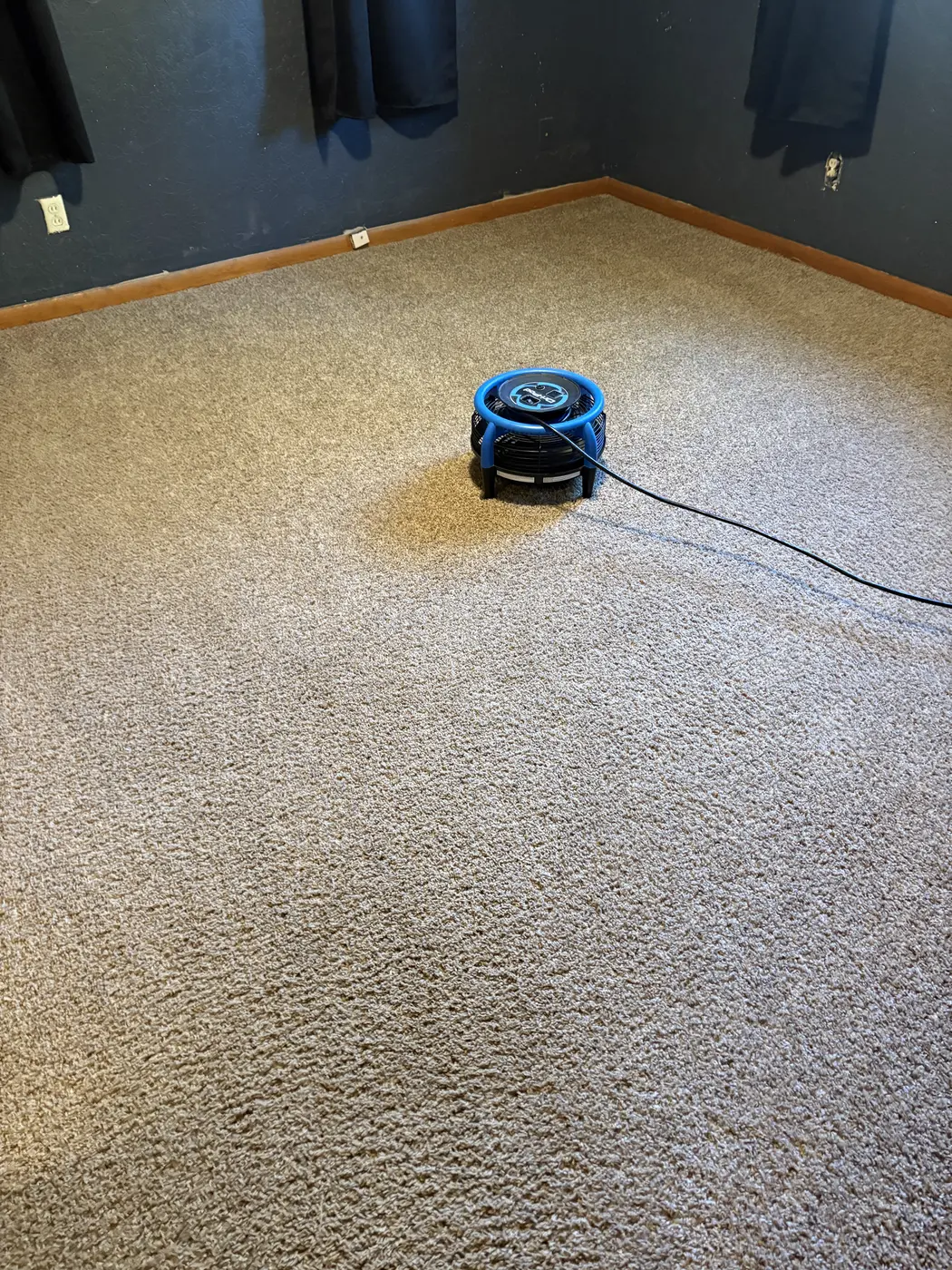
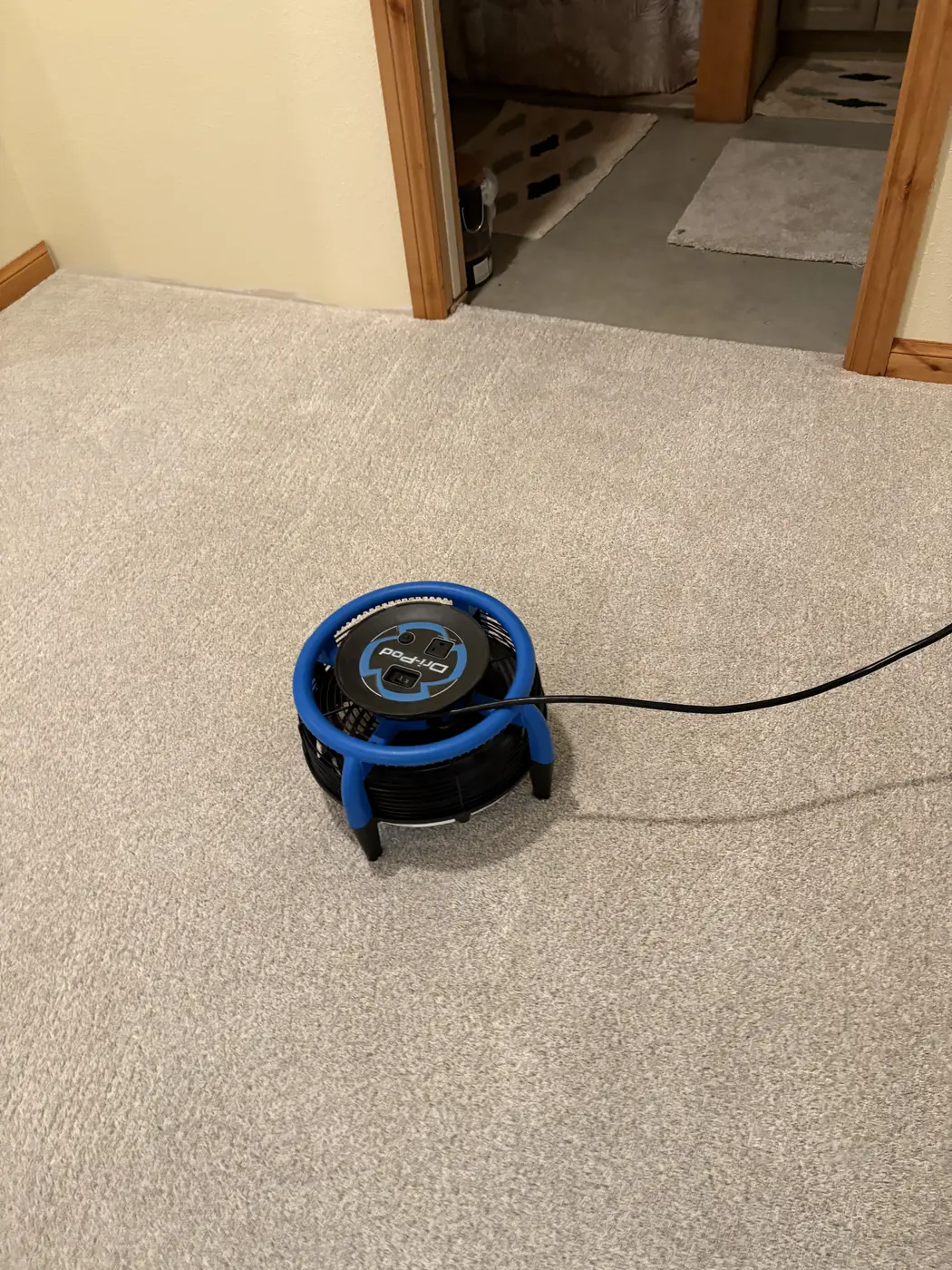
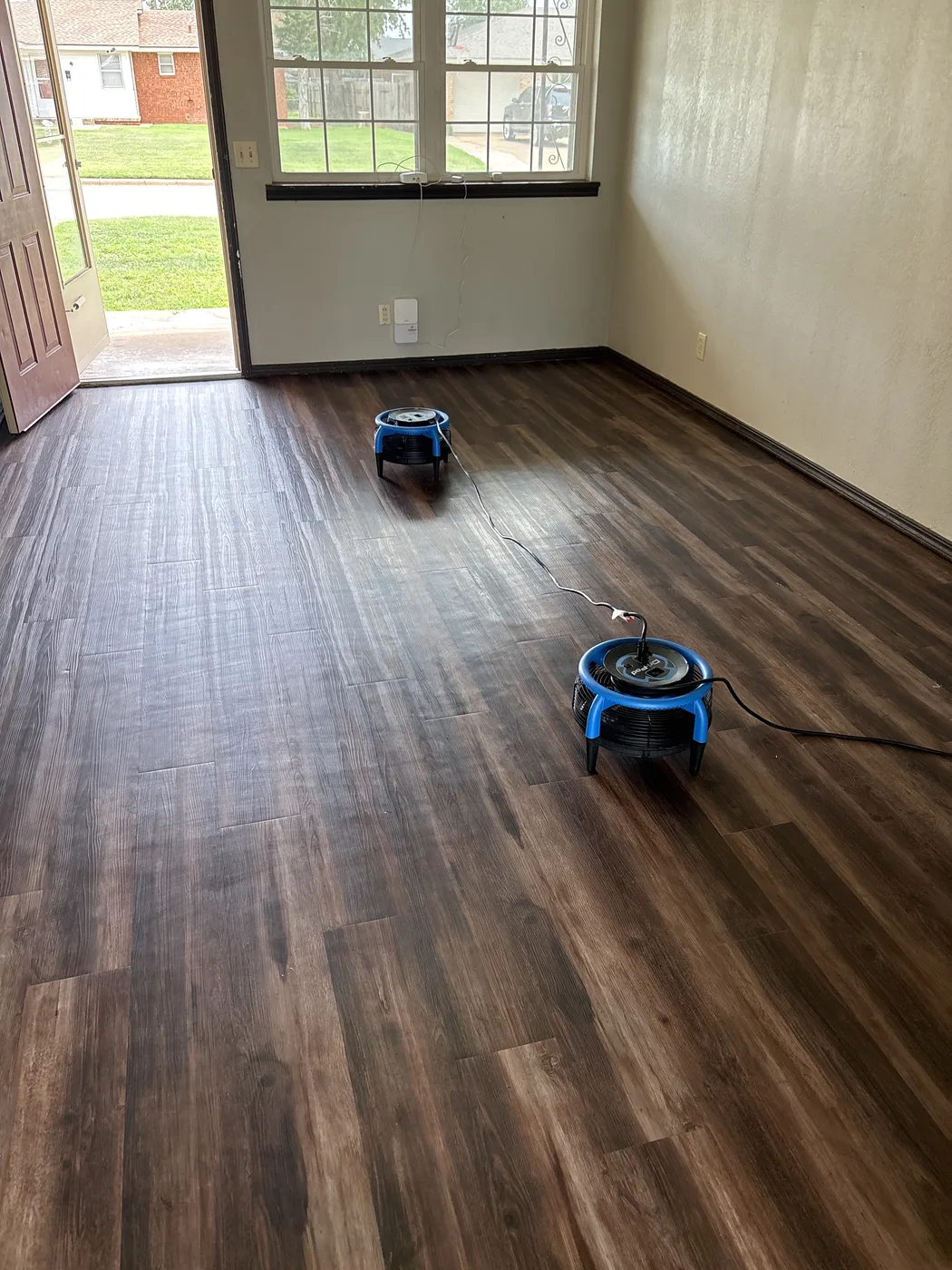
In general, airflow helps carpet dry, and running a fan or the air conditioning can make a difference if your technician agrees. Until the carpet is fully dry, clean socks are kinder to it than outdoor shoes. Furniture with wooden or metal feet is best kept off damp carpet unless it sits on something protective, because some finishes and metals can leave marks.
How often should carpet be cleaned?
There is no schedule that fits every home. A household with children, pets or a lot of foot traffic usually needs attention more often than a home where one or two people take their shoes off at the door. Your carpet manufacturer's warranty or care guide may suggest an interval, and that is the best starting point.
Many people go by the signs: walkways that stay dull after vacuuming, spots collecting in front of a favorite chair, or a room that no longer feels fresh. Cleaning before soil builds up heavily can be easier on the fibers than waiting until the carpet looks worn out.