Area rug guide
How rugs are made, which fibers need extra caution, and what on-site cleaning means for your home.
How is an area rug different from wall-to-wall carpet?
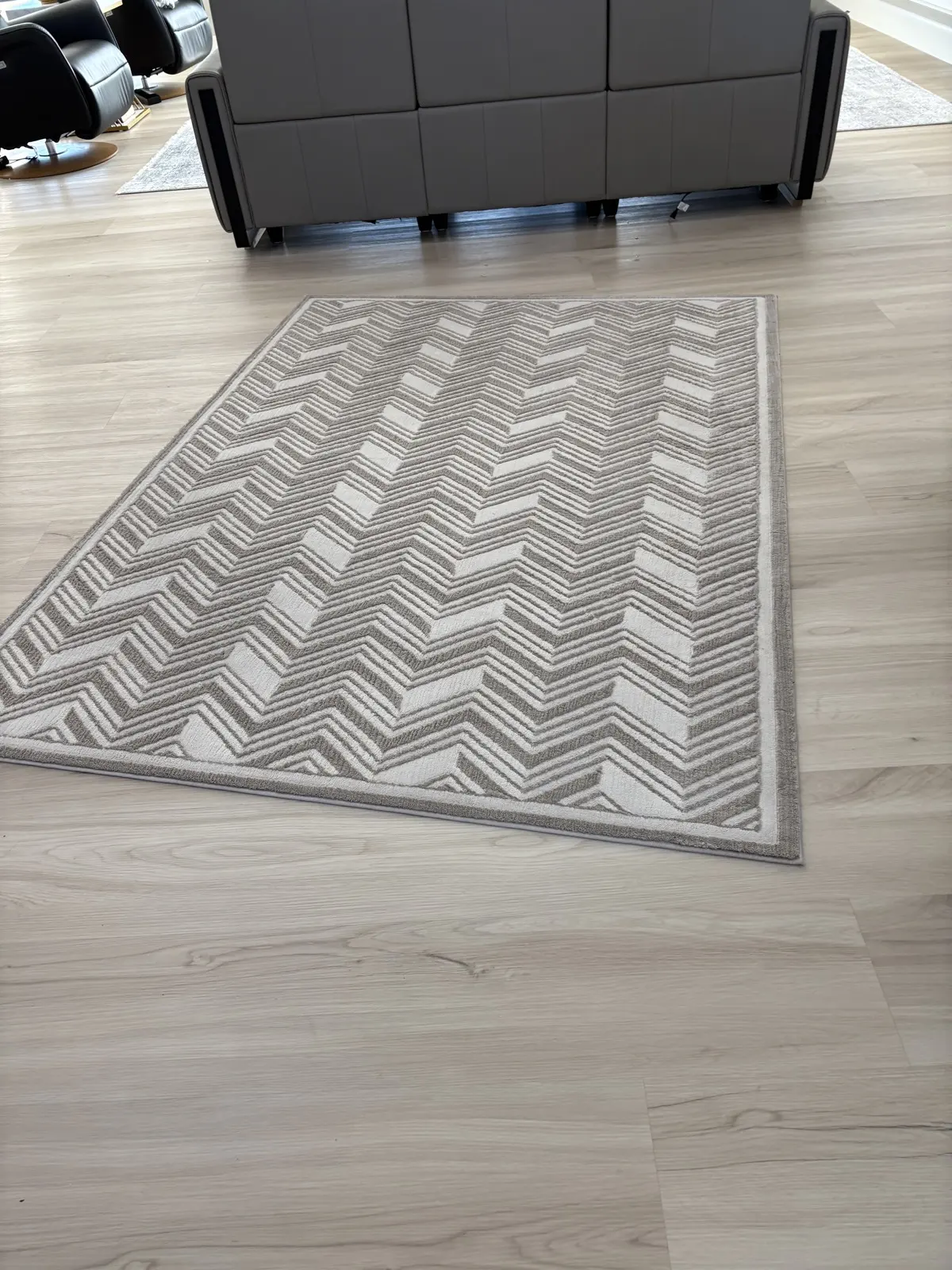
Wall-to-wall carpet is stretched and fixed in place over a pad, with its edges hidden. An area rug is a separate piece with its own edges, backing and often fringe, and it may be made in a completely different way from the carpet in the next room. Two rugs that look alike can have very different fibers, dyes and construction, and that affects how each should be cleaned.
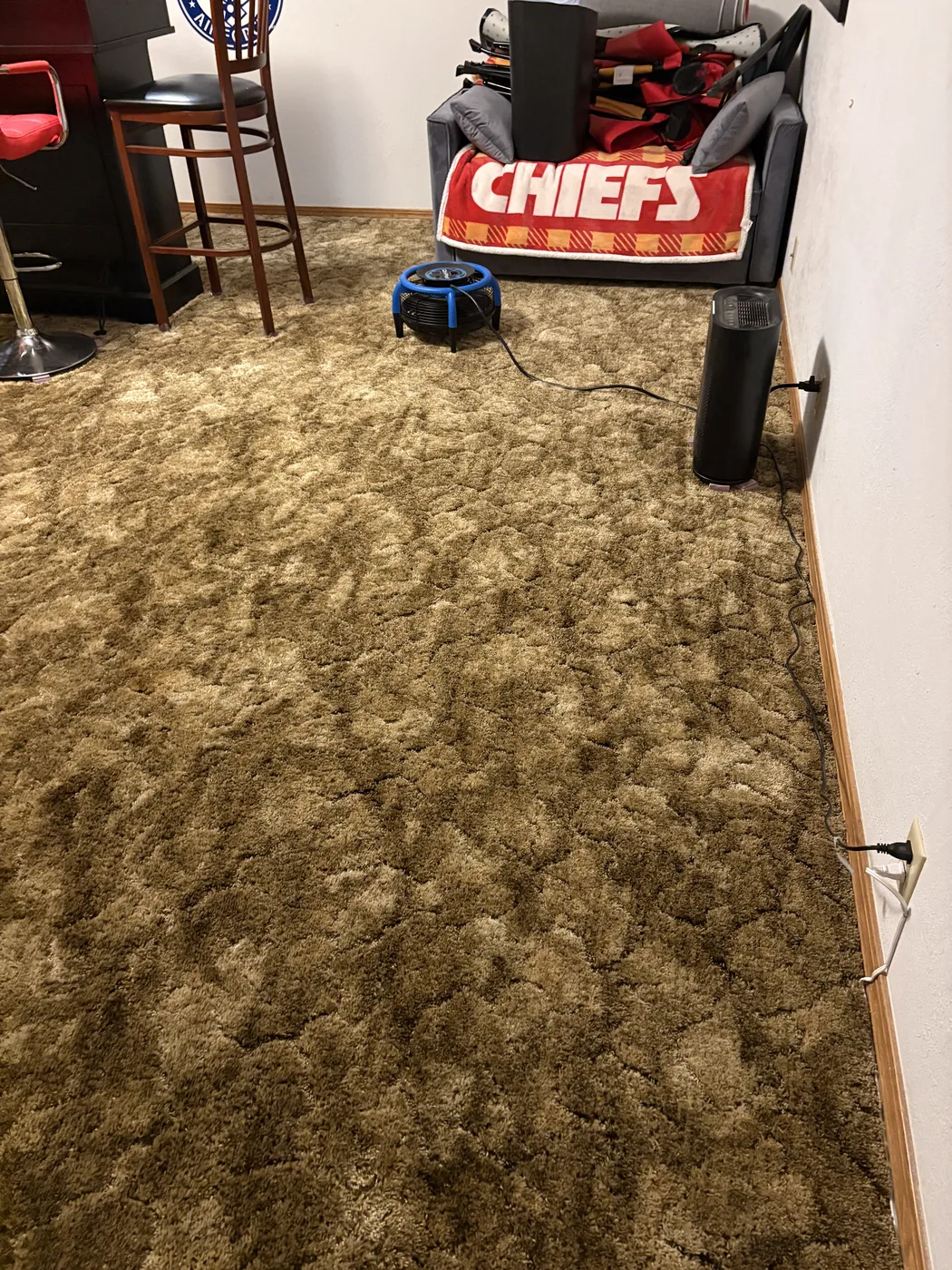
That is why a rug's care needs should never be assumed from the floor it sits on. The floor beneath matters as well, because moisture or residue that passes through a rug can reach the surface below it, whether that is carpet, hardwood or tile.
How are area rugs made?
Hand-knotted rugs are tied knot by knot on a loom, and the pattern usually shows clearly on the back. Hand-tufted rugs are made by punching yarn through a backing cloth and holding it with latex adhesive, usually hidden under a secondary fabric backing. Machine-made rugs are woven or tufted by machine and vary widely in quality. Flatweaves such as kilims and dhurries have no pile at all, and braided rugs are stitched from coils of fabric.
Each type responds differently to moisture, agitation and drying. The latex in a tufted rug can weaken with age and crumble or give off an odor, a flatweave can shrink or lose its shape, and a braided rug can hold water in its coils. Turning a corner over and looking at the back is a simple way to start understanding what you have.
Which rug fibers need extra caution?
Wool is the traditional rug fiber. It is durable and naturally resists soil, but it needs products and handling suited to wool, and it can shrink or bleed if treated harshly. Synthetic rugs made from polypropylene, nylon or polyester are common, affordable and often easier to care for, though some attract oily soil.
Plant and specialty fibers deserve the most caution. Viscose, often sold as art silk or bamboo silk, looks lustrous but weakens and can lose its texture when wet. Jute and sisal can brown, shrink or stain with water. Real silk is delicate and costly. If a label lists one of these fibers, or the rug is valuable, antique or sentimental, share that before any cleaning is arranged.
Will the colors in my rug run?
Some rug dyes are not colorfast, which means they can run when they get wet. Whether a dye is stable cannot be judged from how a rug looks or what it cost. Colors that have already bled into neighboring areas, or fringe that looks tinted, are signs that the dyes have moved before. Mention anything like that, along with any earlier cleaning or spill that left damage.
What can rug cleaning not fix?
Cleaning addresses soil, dust and many spots. It does not repair a rug. Worn pile, holes, moth damage, loose or missing fringe, unraveling edges, curling corners and deteriorating backing are repair or restoration matters. Color that has already run, faded or been bleached will not come back with cleaning, and some stains, especially older ones and dye stains, may remain.
Pet accidents are a particular concern with rugs. Urine can soak through the pile into the backing and the floor beneath, where surface cleaning may not reach it. Our rug service is on-site cleaning. Off-site washing, pickup and delivery and rug repair are not listed among our services, and we do not promise a particular result.
What does on-site cleaning mean for my home?
On-site means the cleaning happens where the rug lives rather than at a separate facility, so the space around the rug becomes part of the job. The rug's size, the furniture resting on it, the floor underneath and the room it is in all matter. A large rug under a crowded dining table is a different setup from a small rug in an open entryway.
Clear the rug of small items, toys and anything breakable before the visit, and ask in advance about heavy furniture that sits on it rather than assuming it will be moved. If the rug lies over hardwood or another finished floor, mention the flooring type, since finished wood can be sensitive to moisture.
How can I look after an area rug between cleanings?
Vacuum rugs regularly, and vacuum the back now and then if the rug is light enough to turn over, because grit works its way through. On wool, shag, high-pile and fringed rugs, a suction-only setting or a vacuum with the brush roll switched off is gentler. Avoid running the vacuum over fringe, which can catch and tear.
Rotate rugs every so often so sunlight and foot traffic wear them evenly. A suitable rug pad can stop a rug from sliding and reduce wear, but check that the pad is compatible with the floor beneath, since some pad materials can mark certain finishes. Blot spills promptly, and test any spot product on a hidden corner before using it on the face of the rug.
What happens after a rug is cleaned on site?
A rug may need time to dry fully, and thick, dense or wool rugs generally take longer than thin synthetic ones. The guidance you get on when the rug can take foot traffic and furniture again is the one to follow, since it depends on that rug. Furniture set down too soon can leave dents or marks in a damp pile, and steady airflow through the room helps.