Upholstery care guide
Fabric codes, fibers, cushions and the limits of cleaning, so you know what to check before a visit.
What do the cleaning codes on furniture tags mean?
Many upholstered pieces carry a cleaning code on a tag under the cushions, on the deck or underneath the frame. The code is the manufacturer's guide to which kind of cleaner suits the fabric. W generally means water-based cleaning, S means solvent-based cleaning only, W/S or SW means either may be used, and X usually means the fabric should only be vacuumed or brushed.
Codes are not universal, and not every piece has one. Older furniture, custom pieces and some imports may have no tag at all, and wording varies between manufacturers. If you find a tag, take a photo of it. If there is none, say so. That is far better than guessing, because cleaning a fabric the wrong way can cause shrinking, water rings or color loss. Some tags carry other wording, such as dry clean only or professional cleaning only, and those instructions are worth following too.
Why are some fabrics harder to clean than others?
Synthetic fabrics such as polyester, nylon, olefin and most microfiber are common on family furniture because they resist wear and many stains. Natural fibers behave differently. Cotton and linen can shrink or wrinkle, and they may show water marks. Rayon and viscose, often used for soft, silky-looking fabrics, can lose their texture or turn brown when they get wet.
Texture adds another layer. Velvet, chenille and other pile fabrics have a nap that runs in one direction and can look patchy if it is brushed the wrong way. Prints and dark dyes may bleed if they are not colorfast. Leather and faux leather need entirely different care from fabric, so ask before assuming a leather piece is covered by upholstery cleaning.
What can upholstery cleaning not change?
Cleaning removes soil, body oils and many spots from fabric, but it cannot restore what wear has taken away. Thin or frayed arms, pilling, sun fading, flattened cushions, broken springs, loose frames and scratches from pets are physical changes, and they remain after the soil is gone.
Some stains are permanent too, particularly old ones, dye transfer from clothing or newsprint, and marks treated with the wrong product. Odors that reached the foam, such as pet accidents that soaked through, may need more than surface cleaning and may not be resolved by it. We do not promise a particular result, so share your biggest concern when you discuss the job.
Why does one piece look different from seat to arm?
Upholstery rarely gets dirty evenly. Arms and headrests collect body oils and hair products, seat cushions carry the most wear and soil from clothing, and the back and sides may hardly be touched. Once a piece is cleaned, those differences can become easier to see, and areas with heavy buildup or wear may still look a little different from the rest.
Can I wash removable cushion covers myself?
Be careful. A zipper on a cushion cover does not mean the cover is meant to be removed and washed. Zippers often just help the factory fit the foam, and many covers shrink in the wash so they no longer fit, or come out a different shade from the rest of the sofa. Washing one cover can leave it looking unlike the others.
Unless the manufacturer's care instructions specifically say the covers are washable, leave them on the furniture and treat the piece as a whole. If you have already washed a cover, mention it, because a difference in color or texture may still show after cleaning.
Do cushion fillings matter?
They can. Many seat cushions use foam wrapped in polyester fiber, while some backs and seats are filled with down, feathers or loose fiber. Feather and down fillings can take longer to dry and may develop an odor if they stay damp, and loose fill can shift or clump. If you know what is inside the cushions, mention it, along with any that are already lumpy or flat.
Is a sectional or recliner a different kind of job?
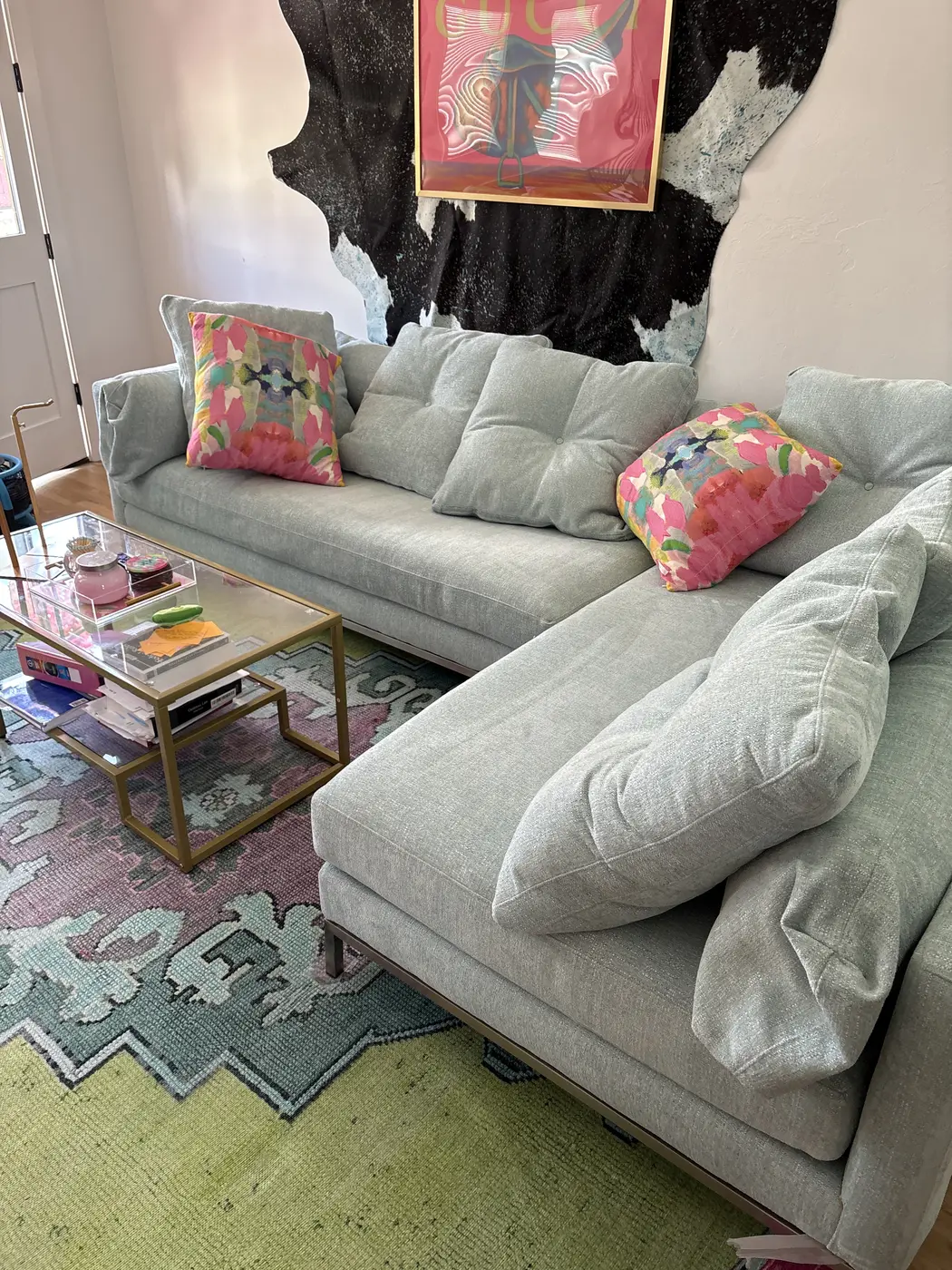
Each has its own details. A sectional is made of several pieces, and its layout, number of seats and any chaise or corner section affect the size of the job. The pieces may also have been bought at different times and may not share the same fabric or cleaning code.
Recliners take heavy use on the seat, arms and headrest, and the footrest mechanism hides crumbs and debris. Power recliners and lift chairs have cords, motors and controls that need care around them, so point them out in advance.
How can I look after upholstered furniture between cleanings?
Vacuum regularly with an upholstery attachment, paying attention to crevices, seams and the area under the cushions, where crumbs and grit gather. Flip and rotate reversible cushions so they wear evenly. Keep furniture out of strong direct sunlight where you can, since sunlight fades many dyes and weakens fibers over time.
For spills, blot right away with a clean white cloth and avoid rubbing. Test any spot cleaner in a hidden area first, and only use products that match the cleaning code. A washable throw over a headrest or arm can take some of the body oil, as long as the throw itself is washed regularly.
What happens after the visit?
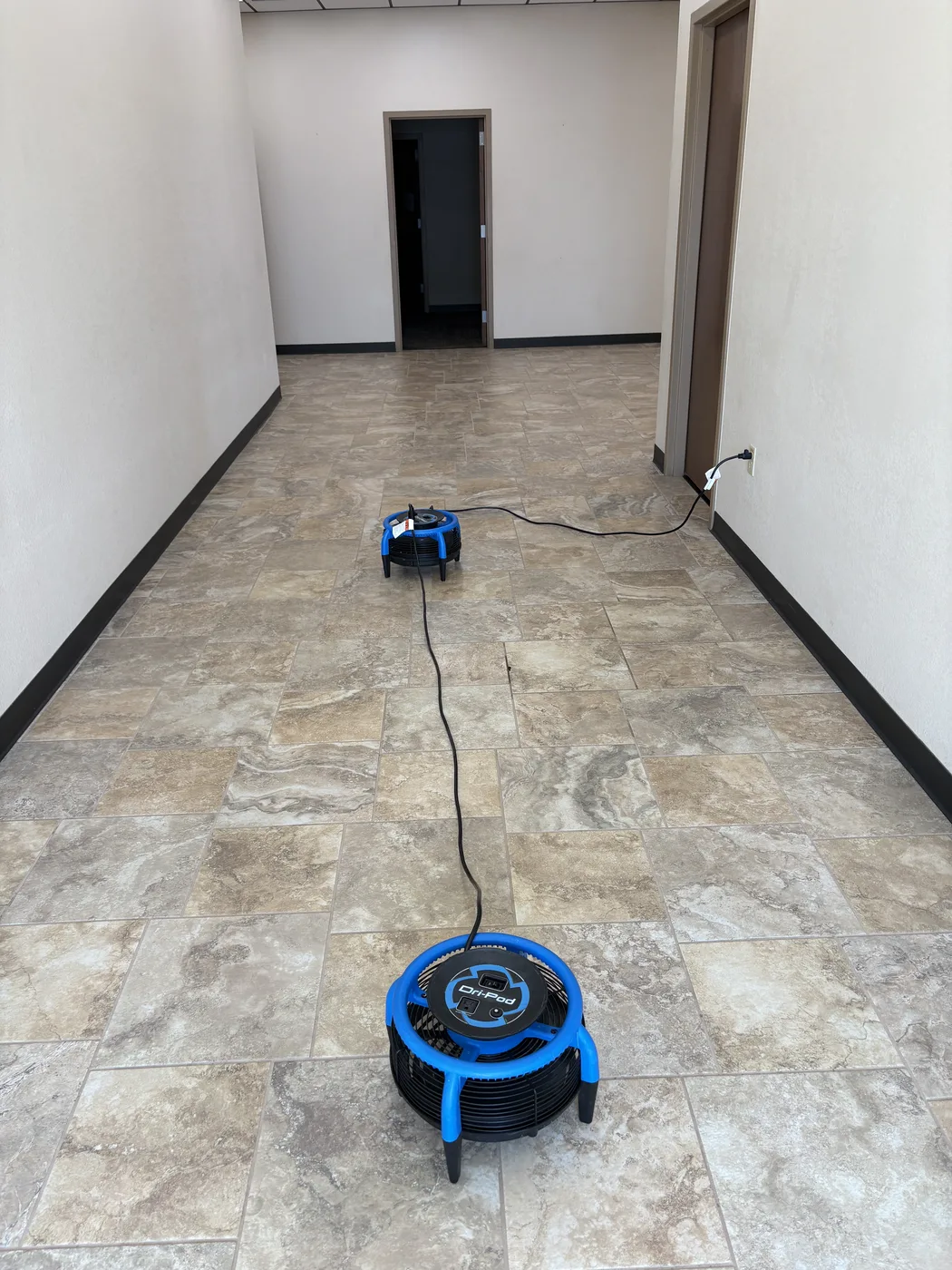
Drying time varies with the fabric, the padding underneath, the humidity and the airflow in the room, so there is no fixed answer. Before the visit ends, ask when the furniture can be used again and when cushions can go back, and go by that answer rather than a general rule. Keeping pets and children off damp fabric avoids new marks while it dries, and leaving throws and blankets off until then keeps moisture from being trapped underneath.